TICKS
Found all over the UK
Ticks live in woods, long grass and sometimes parks and gardens. Some carry the bacteria that cause Lyme disease, so the NHS advises avoiding bites and removing ticks quickly.
Avoiding bites doodlevectors
00WHAT THE HEALTH AGENCIES SAY

Some infections need a ride.
A vector is a living thing, often a bloodsucking insect or tick, that picks up an infection from one host and passes it to the next. In the UK, ticks are the vector most people are asked to watch for.
Meet the vectors01Principles
02THE SHORT ANSWER
Three vectors UK agencies talk about,
each in a different way.
TICKS
Ticks live in woods, long grass and sometimes parks and gardens. Some carry the bacteria that cause Lyme disease, so the NHS advises avoiding bites and removing ticks quickly.
Avoiding bitesTIGER MOSQUITO
Aedes albopictus can spread dengue, chikungunya and Zika. UKHSA traps for it at ports, airports and service stations; its eggs were first found in Kent in 2016.
How surveillance worksBITING MIDGES
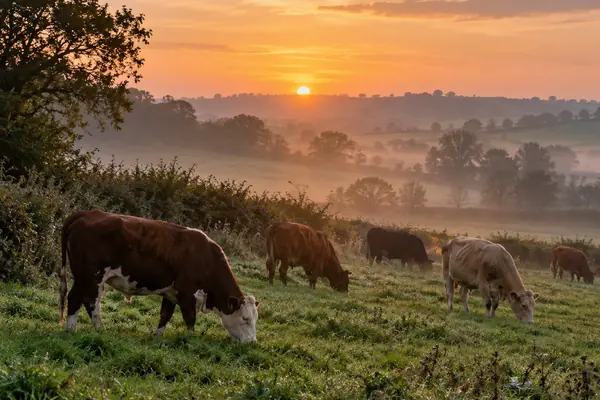
Bluetongue virus is mainly spread by biting midges. It affects cattle, sheep and other ruminants, but does not affect people or food safety.
Compare the vectorsGeneral information only, not medical advice. For advice about your own health, speak to a doctor, pharmacist or other qualified health professional.
03MEET THE VECTORS
Pick a vector to see what it carries and what UK guidance says. The bar shows how directly it concerns people in the UK today.
Based on NHS, UKHSA and GOV.UK bluetongue guidance and the WHO vector-borne diseases fact sheet. General information, not medical advice.
04TWO NUMBERS WORTH KNOWING
One figure on vector-borne disease worldwide,
one on Lyme disease in England and Wales.
17%+
Share of all infectious diseases that are vector-borne
The World Health Organization says vector-borne diseases account for more than 17% of all infectious diseases and cause more than 700,000 deaths a year, with the heaviest burden in tropical and subtropical areas.
WORLDWIDE · WHO
2.77 per 100,000
Peak lab-confirmed rate, England and Wales, 2018
Mean annual rates of laboratory-confirmed Lyme disease rose from 0.38 per 100,000 people in 1997 to 2000 to a peak of 2.77 in 2018. An estimated 1,000 to 2,000 further cases a year are not lab-confirmed.
LYME DISEASE · UKHSA
UKHSA says the rise may reflect greater awareness, better surveillance and testing, more encounters with ticks, and changes in where ticks live.
05WHAT THE NHS SUGGESTS
Ticks do not jump or fly. They attach to people and animals that brush past them, so most advice is about covering up and checking.
Cover your skin and tuck your trousers into your socks when walking through woods or long grass.
Use insect repellent on clothes and skin; the NHS says products containing DEET are best.
Keep to clear paths where you can, and wear light-coloured clothing so ticks are easier to see.
Check skin, clothes, children and pets after being outdoors. Remove ticks with fine-tipped tweezers or a tick tool, pulling slowly upwards.
06KEEPING THE TIGER OUT
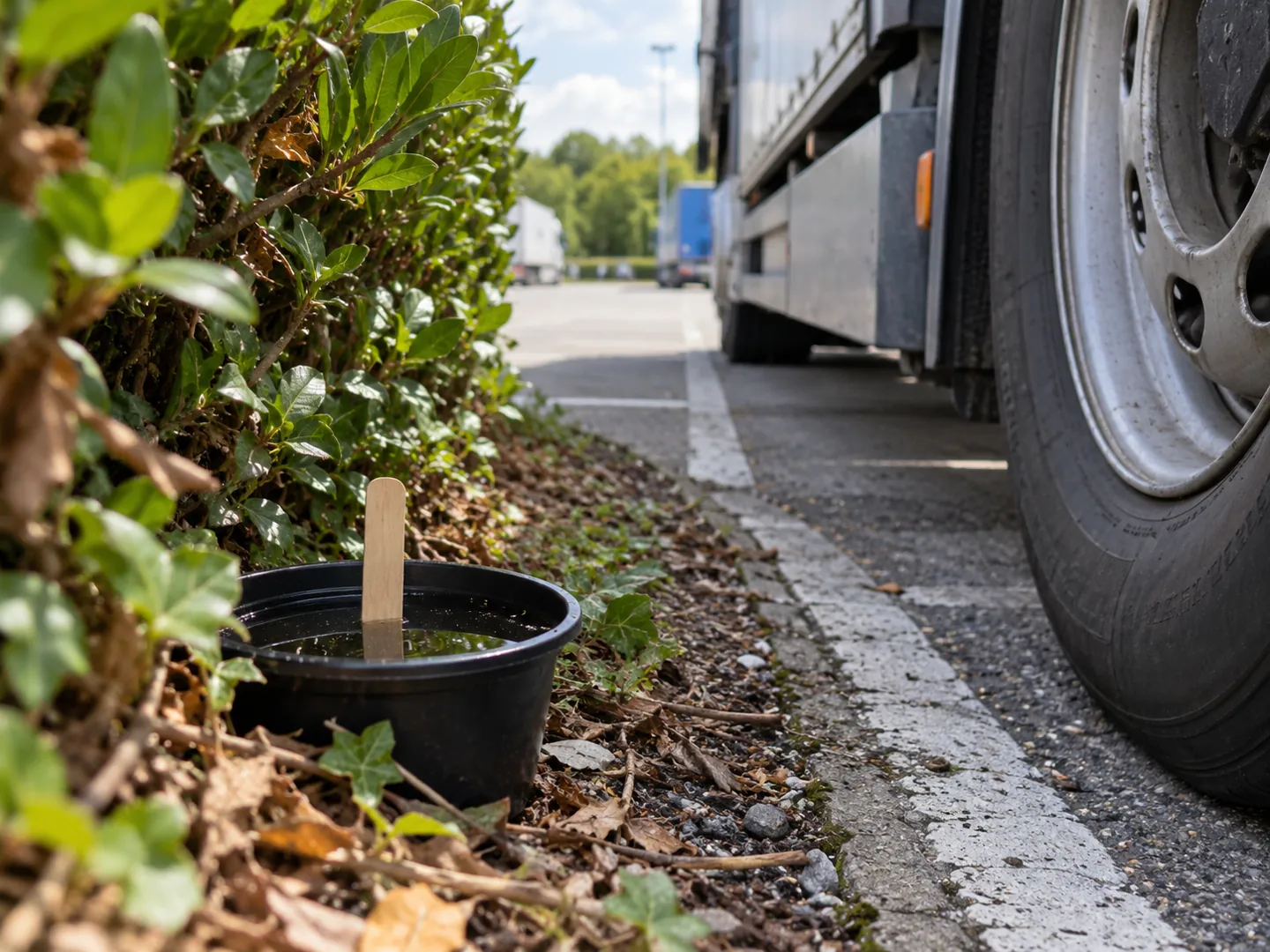
The UK's invasive mosquito surveillance began in 2010. Local and port health authorities run ovitraps, small water-filled traps that attract egg-laying females, at ports, airports, service stations and urban centres.
If invasive mosquito eggs are found, an incident is set up and a 300 m radius around the site is inspected for standing water, such as puddles, buckets and tyres. Residents and businesses are asked to help remove breeding spots.
07Questions
The WHO defines vectors as living organisms that can transmit infectious pathogens between humans, or from animals to humans. Many are bloodsucking insects that pick up a microorganism during a blood meal and pass it to a new host later.
No. The NHS says not all ticks in England carry the bacteria that cause Lyme disease, but it is still important to be aware of ticks and remove them as soon as possible.
The NHS says to ask for an urgent GP appointment or contact NHS 111 if you were bitten or visited a tick area in the past 3 months and feel unwell with flu-like symptoms or have a round or oval rash.
UKHSA's surveillance aims to prevent its establishment. Eggs were first detected in 2016 at a truck stop in Kent, and detections trigger rapid control measures around the site.
No. GOV.UK guidance says bluetongue does not affect people or food safety. It affects cattle, sheep and other ruminants such as deer and goats, and camelids, and is spread mainly by biting midges.
08Sources
ABOUT THIS NAME
doodlevectors.com is part of the DoodleSale portfolio. It isn't in an auction right now, but you can ask about leasing it.